

Marketing complex medical devices to high-information female consumers requires a shift from aspirational lifestyle branding to high-density, evidence-based education. Success in this category depends on building digital credibility through radical transparency, peer-verified data, and a multi-layered content ecosystem that respects the consumer’s role as a self-directed researcher and wellness optimizer.
Spark Insights: Medical Device Marketing Takeaways
- Credibility is the primary currency. High-information consumers prioritize clinical validation and technical transparency over traditional marketing claims or polished aesthetics.
- Consumers with a “researcher” mindset require depth. Effective medical device DTC, or direct-to-consumer, marketing must provide snackable top-of-funnel entry points backed by deep-dive content and peer-reviewed evidence.
- Community-led validation is essential. Women in the wellness-optimization space rely heavily on peer-to-peer verification and expert-led discourse to vet complex health technologies.
- Strategic complexity is a differentiator. Position technical details not as hurdles, but as proof of efficacy to engage the intellectual curiosity of the wellness optimizer.
Medical Device Marketing for an Engaged Health-Optimizing Audience
The traditional playbook for medical device marketing, often split between clinical jargon for doctors and oversimplified “lifestyle” imagery for patients, is failing a rapidly growing demographic: the high-information wellness optimizer.
This consumer doesn’t just want to know that a device works. She wants to understand the underlying physiology, the data-capture methodology, and how the technology integrates into her broader biohacking or longevity stack.
For DTC medical device and diagnostics brands, this shift represents a significant opportunity. When a product is complex, the brand that provides the clearest, most authoritative education wins the authority position in the consumer’s mind. At Spark Growth, we’ve found that reaching this audience is about structuring data and science so that it survives the scrutiny of a research-driven buyer.
How do medical device brands build credibility online?
Building credibility online requires a strategic move toward radical transparency and the de-commercialization of technical content. For high-information consumers, trust is built when a brand invites scrutiny rather than avoiding it, providing direct access to clinical study summaries, manufacturing standards, and raw data interpretations.
You might be thinking, “Hold on, studies? Data? That’s too dry and boring for the average consumer.” But remember: this audience knows more than you think. They’re already combing through resources on your site, reviewing the statistics you share in social media content, and talking to their friends and healthcare providers (HCPs) about products that may suit their needs. They start their consumer journey engaged and, best of all, willing to learn.
In the medical device DTC marketing space, credibility is often established through “Expert-Adjacent” content, such as collaborating with HCPs, researchers, and specialist clinicians who can speak to the device’s mechanism of action without the polish (and sometimes overly “salesy” lingo) of a traditional salesperson. This audience views a lack of technical detail as a red flag. In short, the most credible brands are those that offer a “science” tab more robust than their “shop” tab on their website.
What are the latest medical device and diagnostics trends for 2026?
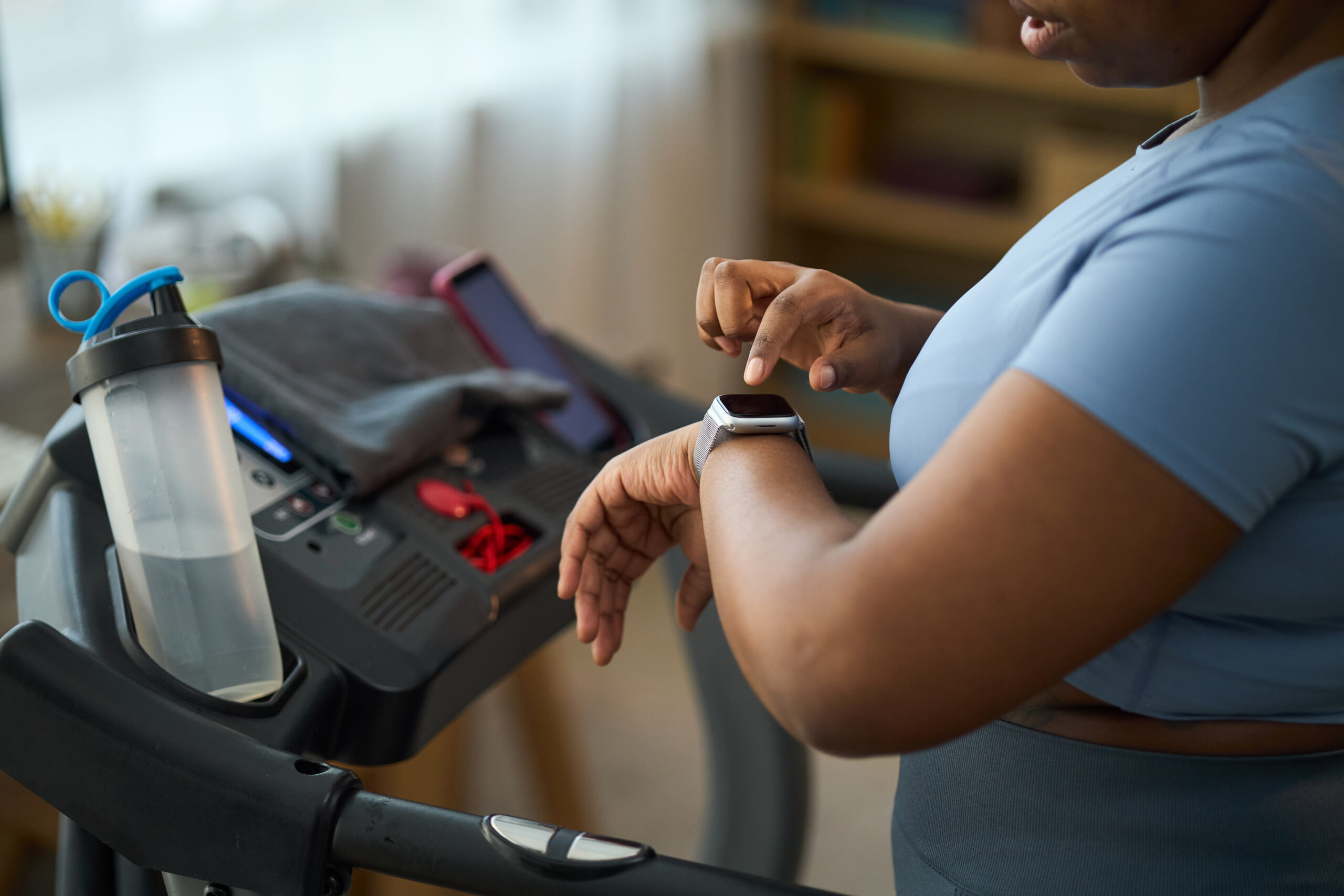
Some of the current wearable health device trends emphasize invisible monitoring and the transition from reactive tracking to predictive biometrics. Consumers are moving away from simple step-counting toward sophisticated metrics like continuous glucose monitoring (CGM) for non-diabetics, heart rate variability (HRV)-based recovery scores, and hormonal-cycle tracking.
While not a “wearable,” another trend we want to highlight is health and wellness tracking, especially through smartphone apps. Examples include:
- Clue, a women-led period and cycle tracker
- MyFitnessPal, a nutrition tracker
- Sleep Cycle, a sleep tracking app
Many brands are integrating AI-driven insights that translate complex data points into actionable lifestyle adjustments. This trend reflects a shift where the device (or in some cases, the app) is no longer a passive observer but a proactive consultant in the user’s longevity journey, making the educational content around the device’s accuracy a critical part of the value proposition.
How do you market medical devices to the research-driven female consumer?
Marketing medical devices to this demographic requires a layered content strategy that mirrors the consumer’s journey from curiosity to deep-dive research. This audience often enters the funnel through high-authority social discourse, such as a podcast appearance by a company founder or a technical thread on a platform like LinkedIn or Reddit, and expects a seamless transition into long-form evidence.
Check out our table below for Spark Growth’s strategic overview of the customer journey:
| Content Layer | Primary Purpose | Key Formats |
| Awareness (TOF) | Signal relevance and technical edge | Founder-led video, product or service deep-dives |
| Education (MOF) | Address the “How” and “Why” | White papers, webinar replays, interactive UI demos |
| Validation (BOF) | Provide peer and clinical proof | Case studies, clinical trial summaries, expert roundtables |
Why is medical device DTC marketing redefining “B2C”?
Medical device DTC marketing is evolving because the high-information consumer behaves more like a B2B procurement officer than a traditional retail shopper.
They perform rigorous due diligence, compare technical specifications across competitors, and seek out social proof from professional experts and peers before committing.
At Spark Growth, we help brands navigate this by treating the consumer with the same intellectual respect once reserved for key decision-makers, such as physicians or supply chain managers.
This means developing marketing assets that provide the depth of a clinical brochure while maintaining the accessibility of a premium consumer brand. When the medical device or diagnostic product is complex, the marketing strategy must be equally sophisticated to maintain the brand’s positioning.
What kind of content works best for complex medical device education?
The content that performs best for complex medical devices and diagnostics is that which bridges the gap between raw data and human experience through education. This involves breaking down a product or service’s mechanism of action into digestible, high-quality visual components. Think eye-catching 3D medical animations or short-form insights videos that allow the user to control the depth of their learning.
For the wellness optimizer, decision-support content, such as comparison guides that help them choose between different sensor generations or modalities, is highly effective. This content shouldn’t shy away from technical nuances. Instead, it should use them to demonstrate why the brand’s specific engineering is superior to mass-market alternatives.
Frequently Asked Questions: Medical Device Marketing Strategy & The Female Consumer
How do you handle FDA compliance while being transparent about device science?
Compliance is maintained by strictly adhering to structure-function claims and ensuring all technical explanations are framed as educational rather than promotional. By focusing on the how of the technology, such as the engineering, and the brand mission, medical device companies can provide the information wellness optimizers crave without crossing into unauthorized medical claims.
Can medical device brands use influencers to appeal to high-information audiences?
Yes, but we believe that in this space, the definition of “influencer” must shift. For this audience, lifestyle creators are often less effective than subject matter experts (SMEs). These include HCPs, clinicians, researchers, or biohackers with established scientific credibility. These partnerships should focus on technical reviews and unboxing the science rather than surface-level aesthetic promotion. At Spark Growth, we work closely with brands in the healthcare industry to match them with credible influencers who help drive brand awareness.
How do you market at-home diagnostic tests to women without sounding overly “clinical”?
Focus on agency and insight rather than diagnosis. High-information female consumers view at-home diagnostics as tools for self-knowledge and optimization. Marketing should emphasize how the data helps them make better lifestyle choices, using a tone that is authoritative yet collaborative.
Level Up Your Medical Device Marketing
Successfully marketing complex medical devices to women requires moving beyond the surface-level and embracing the technical “meat” of the product.
By positioning your brand as a transparent partner in their research and health journey, you build the kind of trust that drives long-term loyalty in the medical device and diagnostics space.
Want to see how Spark Growth can help you structure your device’s science for a high-information, engaged audience? Click the button below and connect with one of our medical device marketing specialists.