

Overview
- A holistic digital marketing program for wellness brands includes social media, paid ads, email marketing, SEO, and search engine marketing.
- Influencer marketing fosters authentic engagement by connecting brands to consumers with shared values.
- It effectively targets niche audiences, allowing brands to align messages with those most likely to convert.
- Social proof from influencers builds trust in wellness products, swaying consumers’ purchasing decisions.
- Micro influencers can be cost-effective partners, providing similar or better ROI than those with larger followings.
A holistic digital marketing program for wellness brands contains several different components, such as organic social media content, paid advertising, email marketing, website search engine optimization, and search engine marketing.
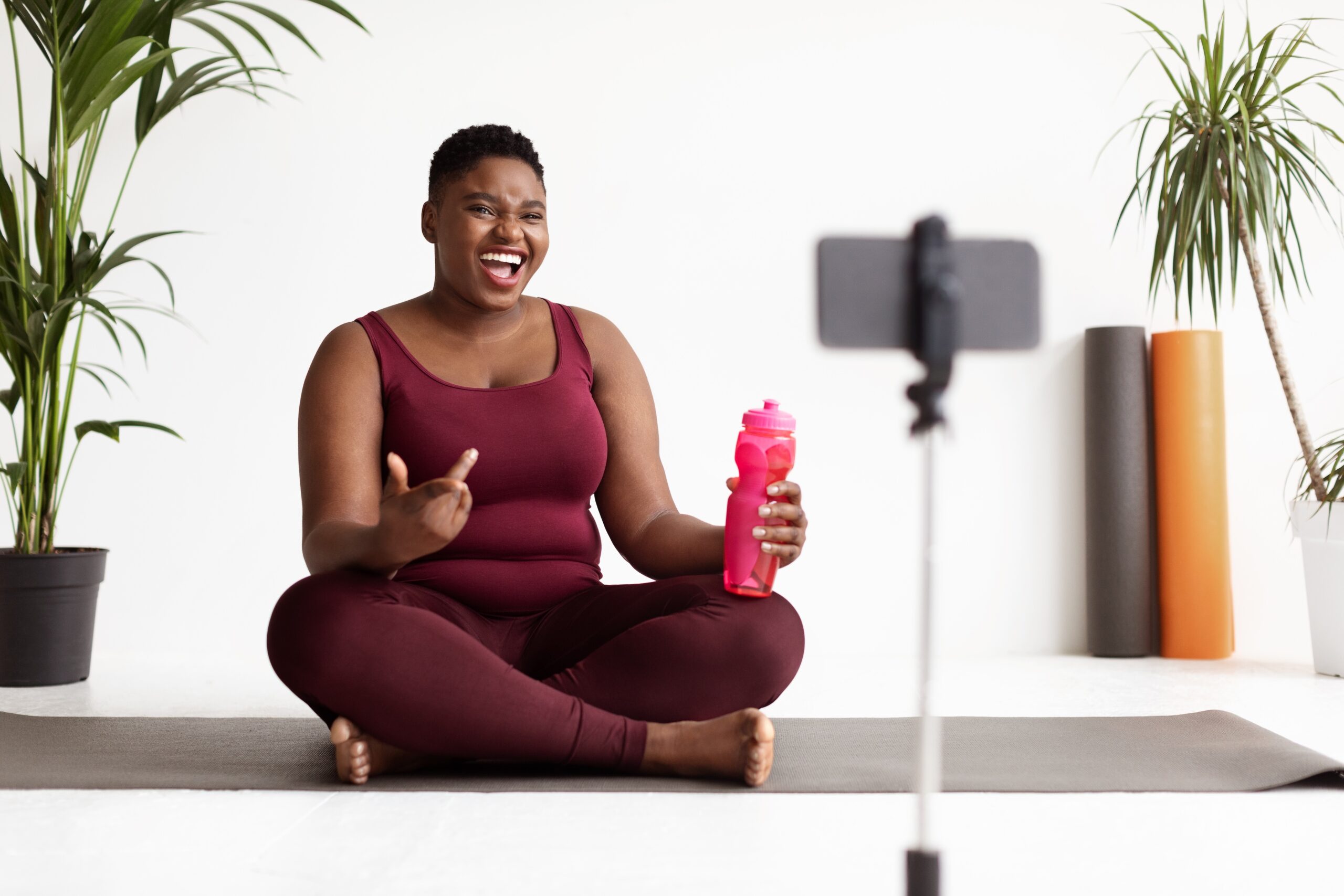
Another powerful tool for wellness marketers is influencer marketing, a strategy that connects brands to potential consumers in authentic and meaningful ways.
Below, we share three main roles of influencer marketing in the wellness industry.
Influential Marketing Promotes Authentic Engagement
How can wellness brands be social on social media? One of the easiest and most effective ways is to partner with a like-minded influencer who shares similar values.
One of the biggest mistakes digital marketers make is that they treat social media as just another traditional marketing channel, when in reality social media followers have certain expectations about the content they want to see and engage with.
For influencer marketing, skip the heavily branded, overly promotional content and avoid collaborating on content that takes away from the influencer’s persona. Instead, build a strategy that’s based on brand awareness through community building while leveraging the influencer’s unique personality. Their social media followers are highly engaged. Lean into that and let influencers be themselves, because that’s what their audience expects.
Influencer Marketing Gets In Front Of Your Targeted Audience
Influencers’ audiences aren’t just engaged — they’re also highly targeted. These individuals have more niche audiences that are centered around a specific topic. For example, a fitness influencer will have a much different audience than an influencer known for being a mommy blogger.
Working with influencer marketing experts, wellness brands can strategically pick and choose influencers who align with their brand objectives, ensuring their messaging resonates. This level of targeting can sometimes be even more precise than traditional advertising methods, giving brands the ability to focus on audiences that are more likely to convert, having already demonstrated an active interest in a particular wellness topic.
Influencer marketing isn’t about getting in front of as many people as possible, but rather, positioning your wellness brand in front of the right people.

Influencer Marketing Provides Social Proof
Over on Influential Executive, our sister company focused on executive social media marketing, we shared an article about how executives can contribute to their company’s social proof. In some ways, a CEO can operate as their company’s #1 influencer on social media.
When brands partner with influencers, this is an example of providing social proof. From a marketing perspective, consumers look for social proof when they want to make a purchasing decision, such as looking for reviews from other consumers or getting recommendations from trusted sources like friends and family. Influencers fall into this bucket of providing social proof. For example, a skincare influencer raving about a new cleanser in a TikTok video can sway their audience, leading to increased trust in the product.
For wellness marketers, working with a growth marketing agency that strategically sources, vets, and collaborates with influencers is crucial, especially in health-related spaces where the stakes are high. An agency can ensure the influencers you partner with align with your brand values and have a genuine connection with your target audience.
Influencer Marketing In The Wellness Space
Here’s a bonus tip to keep in mind. Those unfamiliar with influencer marketing may think there’s ROI only in partnering with influencers that have millions of followers. In fact, smaller influencers may be just as good or even better for your wellness brand! A micro influencer might only have 10,000 followers, but the benefit is that they’re often cost-effective for wellness brands just starting out with influencer marketing.
If you’re interested in learning more about growth marketing in the wellness space, or other healthcare sectors like women’s health and pharmaceuticals, click the button below and head over to our blog to see more articles and guides!
Access more healthcare marketing guides!
Frequently Asked Questions
Why is influencer marketing effective for wellness brands?
Influencer marketing is effective for wellness brands because it connects brands with consumers who share their values. Influencers reach niche, highly engaged audiences centered around specific wellness topics, which lets brands target people most likely to convert. Influencers also provide social proof, since consumers look to trusted recommendations when making purchasing decisions, building trust in wellness products.
Are micro influencers worth it for wellness brands?
Micro influencers are worth it for wellness brands and can deliver similar or better ROI than influencers with much larger followings. A micro influencer might have only 10,000 followers, but they are often cost-effective, which makes them well suited for wellness brands just starting out with influencer marketing. The value comes from engaged, targeted audiences rather than sheer follower count.
How should wellness brands work with influencers on social media?
Wellness brands should skip heavily branded, overly promotional content and avoid collaborations that take away from the influencer’s persona. The better approach is to build a strategy focused on brand awareness through community building while leaning into the influencer’s unique personality, because their audiences expect the creator’s own voice. Letting influencers be themselves is what keeps their highly engaged followers responsive.
How does influencer marketing provide social proof in the wellness industry?
Influencer marketing provides social proof because consumers look for trusted recommendations, such as reviews or endorsements from sources they trust, when making purchasing decisions, and influencers fall into that category. For example, a skincare influencer raving about a new cleanser in a TikTok video can sway their audience and increase trust in the product. In health-related spaces where stakes are high, vetting influencers who align with brand values and have an engaged, trusting audience is especially important.
What does a full digital marketing program for wellness brands include?
A full digital marketing program for wellness brands includes organic social media content, paid advertising, email marketing, website search engine optimization (SEO), and search engine marketing. Influencer marketing is another useful tool for connecting brands with potential consumers. Together these components target niche audiences and build trust through social proof.